
A lock forming machine rolls the lock profile on the sheet edge so a sheet metal duct can be joined along its length. Once the duct is assembled, a seam closer machine folds that joint shut. This category covers both steps on rectangular duct. It also includes the machine for the matching male edge and one for the lock seam on round pipe. EBR METAL builds them all in Konya, Türkiye, and every machine carries CE marking.
Lock Forming Machines and Seam Closers
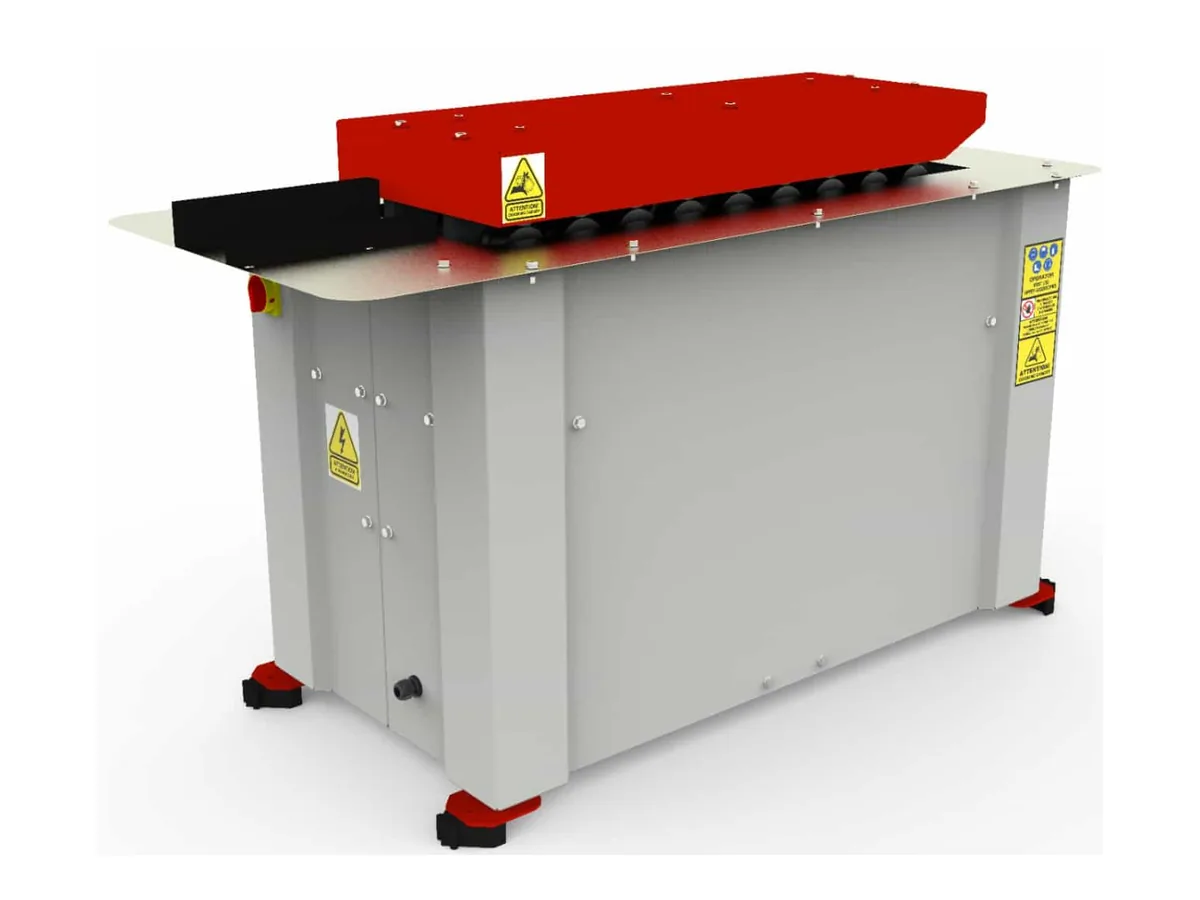
Pittsburgh Lock Former
LFM 10 / LFM 12
7-station (LFM 10) and 9-station (LFM 12) lock formers. Both form seam cleat and Pittsburgh lock as standard, and the LFM 10 adds a right-angle round cleat for elbows. Other profiles are optional roller tooling. Both handle 0.5–1.2 mm sheet.
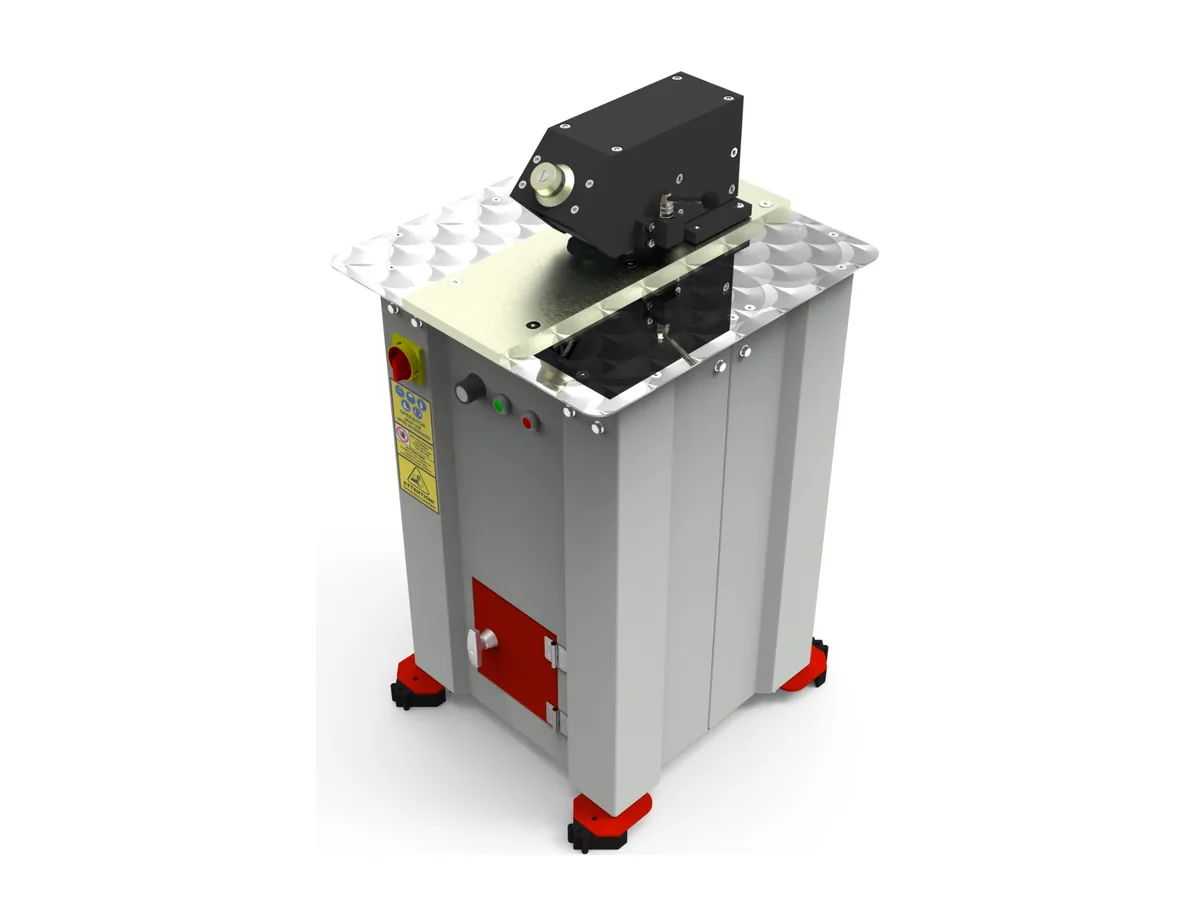
Duct Flanging Machine
FLM
Bends the L-shaped male edge for Pittsburgh and snap lock joints, one edge at a time. 0.5–1.0 mm sheet, 8 or 10 mm edge height.
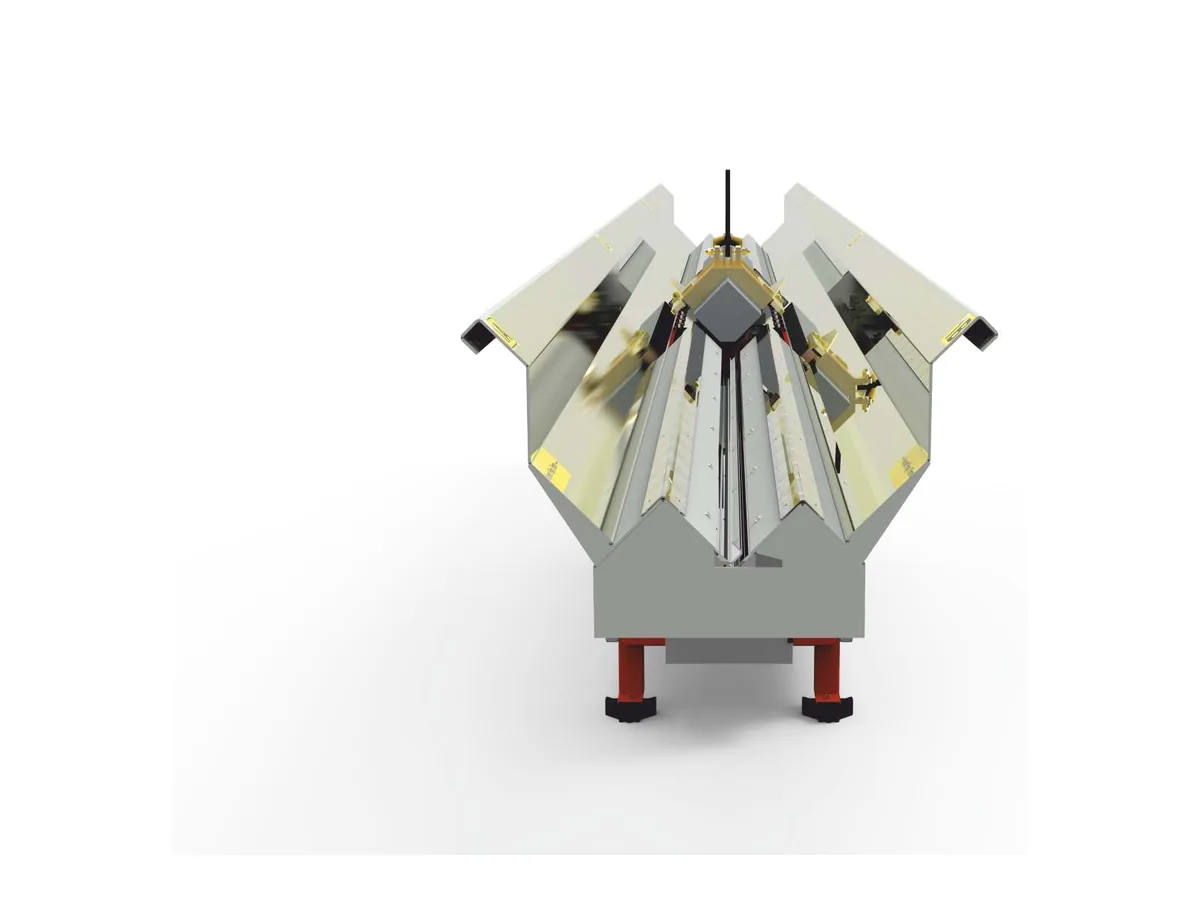
Duct Seam Closer
SCM
Closes the locks of square and rectangular duct quickly, at 9 m/min, for 0.5–1.2 mm galvanized and 0.5–0.7 mm stainless.
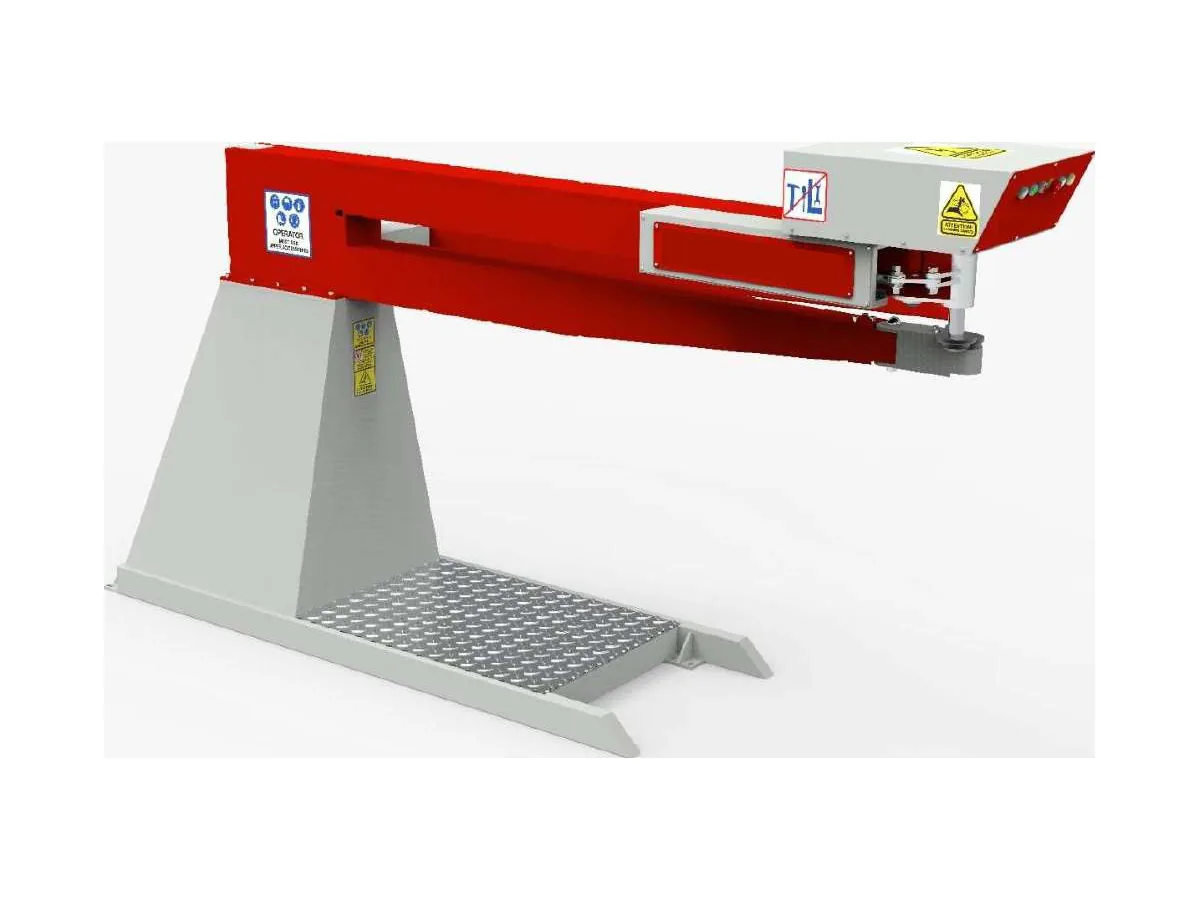
Pittsburgh Seam Closer
PSC
Closes Pittsburgh locks on straight duct and elbows at up to 15 m/min, on ducts 1250–2100 mm long.
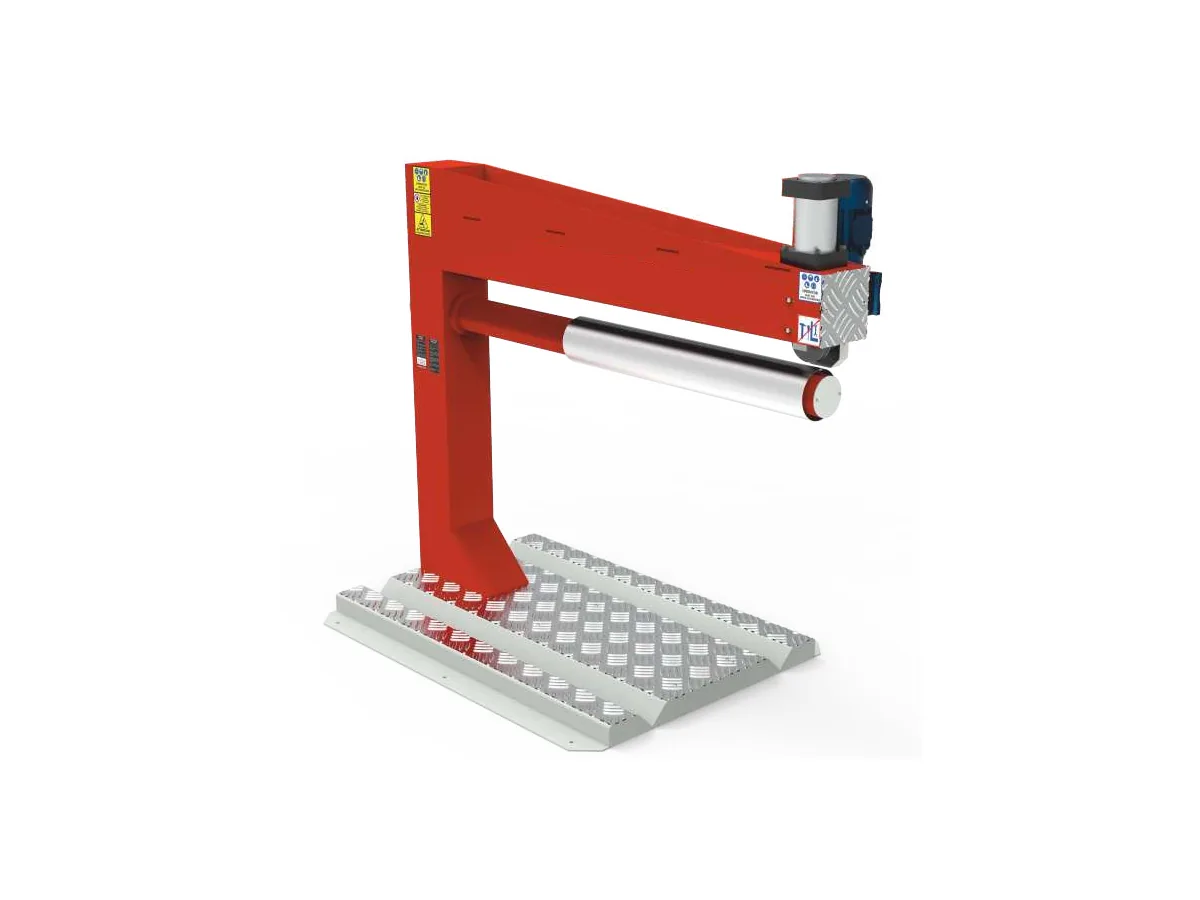
Pipe Lock Seamer
LSM 15
Pneumatic seaming of locked round pipe, Ø150–1000 mm, sheet up to 1.2 mm. A 120 cm pipe takes about 3 seconds.
Compare the Lock Forming and Seam Closing Machines
| Pittsburgh Lock Former (LFM 10 / LFM 12) | Duct Flanging Machine (FLM) | Duct Seam Closer (SCM) | Pittsburgh Seam Closer (PSC) | Pipe Lock Seamer (LSM 15) | |
|---|---|---|---|---|---|
| Job in the joint | Rolls the lock profile | Bends the L-shaped male edge | Closes the lock | Closes the Pittsburgh lock | Closes the round pipe lock |
| Works on | Sheet edges of duct parts and fittings | Sheet edges, one edge at a time | Square and rectangular duct | Straight duct and elbows, 1250–2100 mm long | Round pipe, Ø150–1000 mm |
| Standard profiles | Seam cleat, Pittsburgh lock, plus right-angle round cleat for elbows (LFM 10). Others optional | — | — | — | — |
| Forming stations | 7 (LFM 10) / 9, 2 roller sets (LFM 12) | — | — | — | — |
| Sheet thickness (mm) | 0.5–1.2 | 0.5–1.0 | 0.5–1.2 galvanized, 0.5–0.7 stainless | up to 1.0 | up to 1.2 |
| Motor power (kW) | 2 / 3 | 1 | 3 | 2.2 | 0.37 |
| Power supply | 380 V / 3 Ph / 50 Hz | 220–230 V / 1 Ph / 50–60 Hz | 380–400 V / 3 Ph / 50–60 Hz | 230 V / 1 Ph / 50–60 Hz | 380 V / 3 Ph / 50 Hz |
| Compressed air | not required | not required | not required | 6 bar, 12 L/min | 8 bar |
| Dimensions (mm) | 700 × 1100 × 1500 (W × H × L), both models | 660 × 1300 × 570 (W × H × L) | 800 × 4700 × 1000 (W × L × H) | 3140 × 760 × 1650 (L × W × H) | 1740 × 520 × 1260 (L × W × H) |
| Weight (kg) | 250 / 400 | 300 | 810 | 500 | 300 |
Where two values share a cell, the first is the LFM 10 and the second the LFM 12. Sheet thickness is given for ST37 (S235JR) mild steel unless the material is named.
How to Choose
Do you form your own Pittsburgh locks? Start with the Pittsburgh Lock Former. Both models take 0.5–1.2 mm sheet. The LFM 12 adds forming stations and a second roller set, and the LFM 10 is the lighter model and the one to pick if you also want a round cleat for elbows.
Do you make fittings as well as straight duct? Elbows, offsets and transitions need a male edge that matches the lock on the mating part, and the Duct Flanging Machine bends it on duct and fittings alike.
Which seam closer? For square and rectangular duct across the widest thickness range, stainless included, take the Duct Seam Closer. It runs on 3-phase power. The Pittsburgh Seam Closer also closes elbows, works on sheet up to 1.0 mm and needs shop air.
Round pipe from flat sheet? Add the Pipe Lock Seamer. Spiral-seamed round duct is a different process, made on the Spiral Duct Machine.
How a Pittsburgh Lock Is Made
A Pittsburgh lock joins two duct edges along the length of the duct. On rectangular duct it is the most common longitudinal seam.
- Lock forming. The Pittsburgh Lock Former rolls the female lock, a pocket, on one edge of a part already cut to size, for example on the Cut-to-Length Line. Each forming station bends the edge a little further than the one before.
- Male edge. The Duct Flanging Machine bends the matching L-shaped edge.
- Assembly. The male edge goes into the pocket.
- Closing. A seam closer folds the pocket flat over the male edge and locks the seam.
Pittsburgh Lock vs Snap Lock
Both joints have a pocket on one edge and a male edge on the other. A Pittsburgh lock gets its pocket folded over after assembly, which is why it needs a seam closer. On a snap lock, a small raised hem on the male edge catches in the pocket as the parts are pushed together. The same flanging machine forms the male edge for both.
For pocket depth, sealing and the SMACNA limits on snap locks, read our guide Pittsburgh Lock Seam Explained (and When to Use It). How the lock is closed by hand or by machine is covered in Seam Closers: Pittsburgh Seam Closer vs Duct Seam Closer.
Lock Seams on Round Pipe
Round pipe rolled from flat sheet on a slip roll (see Hand Operated Machines) is closed with a longitudinal pipe lock. The Pipe Lock Seamer handles internal, outward and middle twist locks on pipe up to 1300 mm long. A pneumatic press and a foot pedal take care of pinching and rotation. No hammering.
What Comes Before and After
Duct parts come from an auto duct line or from cut-to-length sheet. The ADF-NC closes the duct lock on the line itself, so its parts skip the separate seam closer. Once the seam is closed, the duct moves on to flanging. Self-flanged duct runs through a TDF Flange Forming Machine, and slip-on profiles come from the Flange Cutting Machine. See the full HVAC Duct Production Line.
Frequently Asked Questions
What does a lock forming machine do?
It roll-forms a lock profile on the sheet edge, such as the female pocket of a Pittsburgh lock, so duct parts and fittings can be joined.
What is the difference between the LFM 10 and the LFM 12?
The LFM 10 has 7 forming stations, a 2 kW motor and weighs 250 kg. Besides seam cleat and Pittsburgh lock, it rolls a right-angle round cleat for elbows. The LFM 12 has 9 forming stations with 2 roller sets and a 3 kW motor, weighs 400 kg. Both form 0.5–1.2 mm sheet and share a 700 × 1100 × 1500 mm footprint. Any other profile is available as optional roller tooling, so tell us the shapes you need when you ask for a quote.
Do I need a lock former if I have an auto duct line?
Yes, for the ADF-P, ADF-S3 and ADF-N. These lines prepare the parts, and the lock profile is rolled on the Pittsburgh Lock Former. The ADF-NC closes the duct lock on the line.
How is the male side of a Pittsburgh joint formed?
On the Duct Flanging Machine (FLM). It bends an L-shaped male edge of 8 or 10 mm on 0.5–1.0 mm sheet, one edge at a time, for Pittsburgh and snap lock joints.
Can a seam closer close elbows?
The Pittsburgh Seam Closer can, as well as straight duct, for ducts 1250–2100 mm long. The Duct Seam Closer is built for square and rectangular duct.
Which machines need compressed air?
Two of them. The Pittsburgh Seam Closer needs 6 bar at 12 L/min, and the Pipe Lock Seamer works at 8 bar. The lock formers, the Duct Flanging Machine and the Duct Seam Closer run on electricity only.
What pipe diameters can the Pipe Lock Seamer close?
From 150 mm up to 1000 mm, with a seaming length of up to 1300 mm and sheet up to 1.2 mm.
What is the delivery time?
Many EBR METAL machines ship from stock. A machine built to order currently takes about 2–3 weeks, and the quotation confirms the date. Spare parts usually ship from stock.